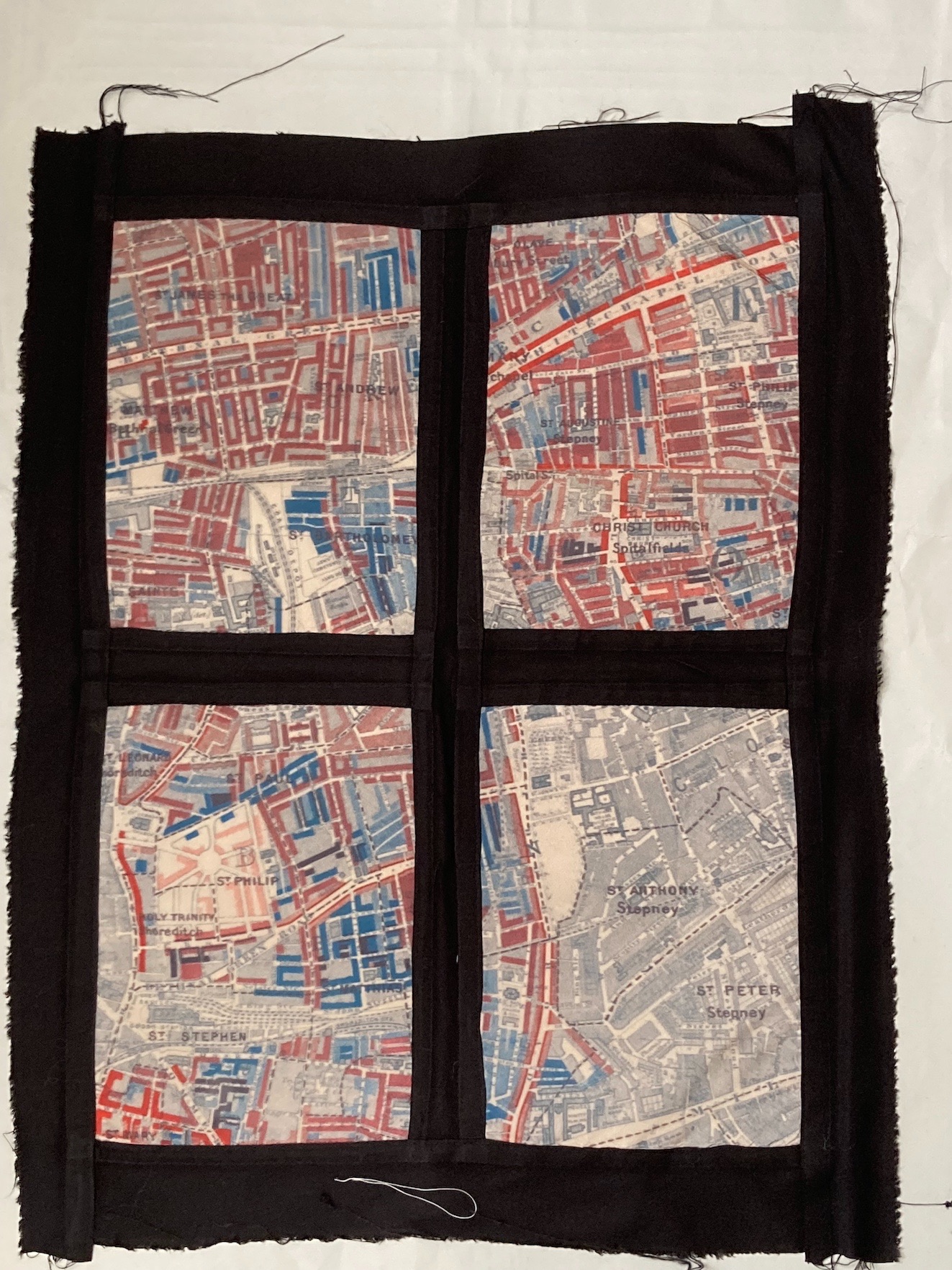
This post is intended to bring a short summary of my research into proposing a new textile art installation based on the distinctive windows of the (now demolished) Weavers’ Cottages that were built in Shoreditch to house the Huguenot silk weavers.
Today, there is a place in Shoreditch called Weaver’s Fields (their apostrophe, not mine). It is an open space made up of grassed areas interspersed with trees, paths and a statue. There isn’t any information on site about the origin of its name, so I set about trying to find out a little bit more.
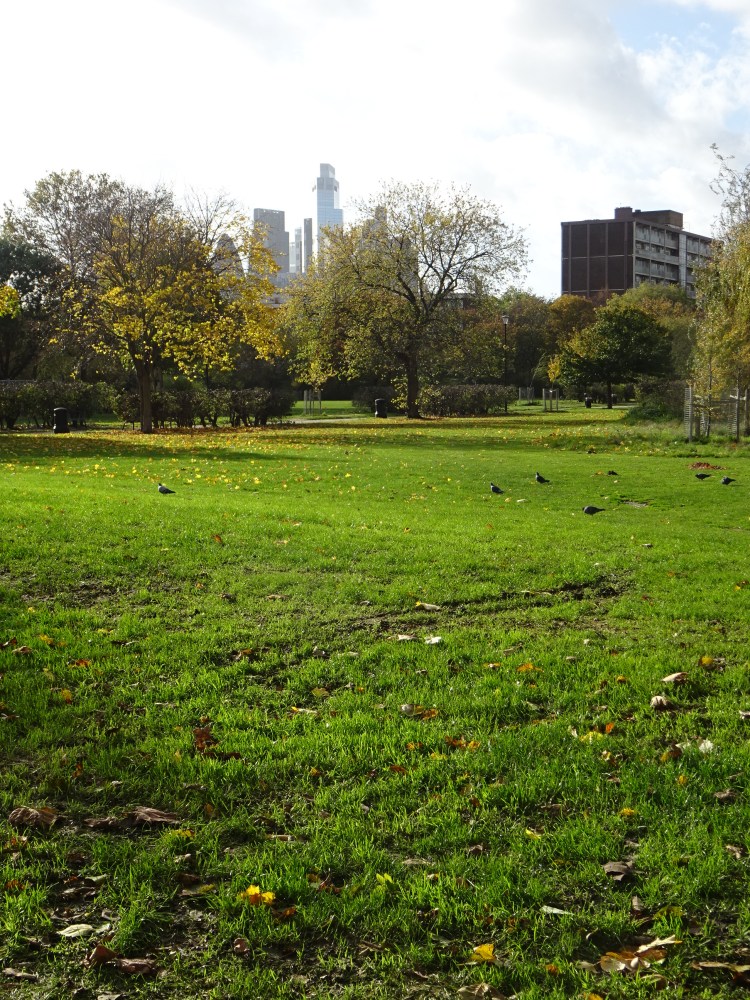
I asked the question: why is there such a large open space at Weaver’s Fields? The answer lies in slum clearance that took place in the mid 20th century. In undertaking this demolition, the area lost one of its defining cultural markers: Weavers’ Cottages.
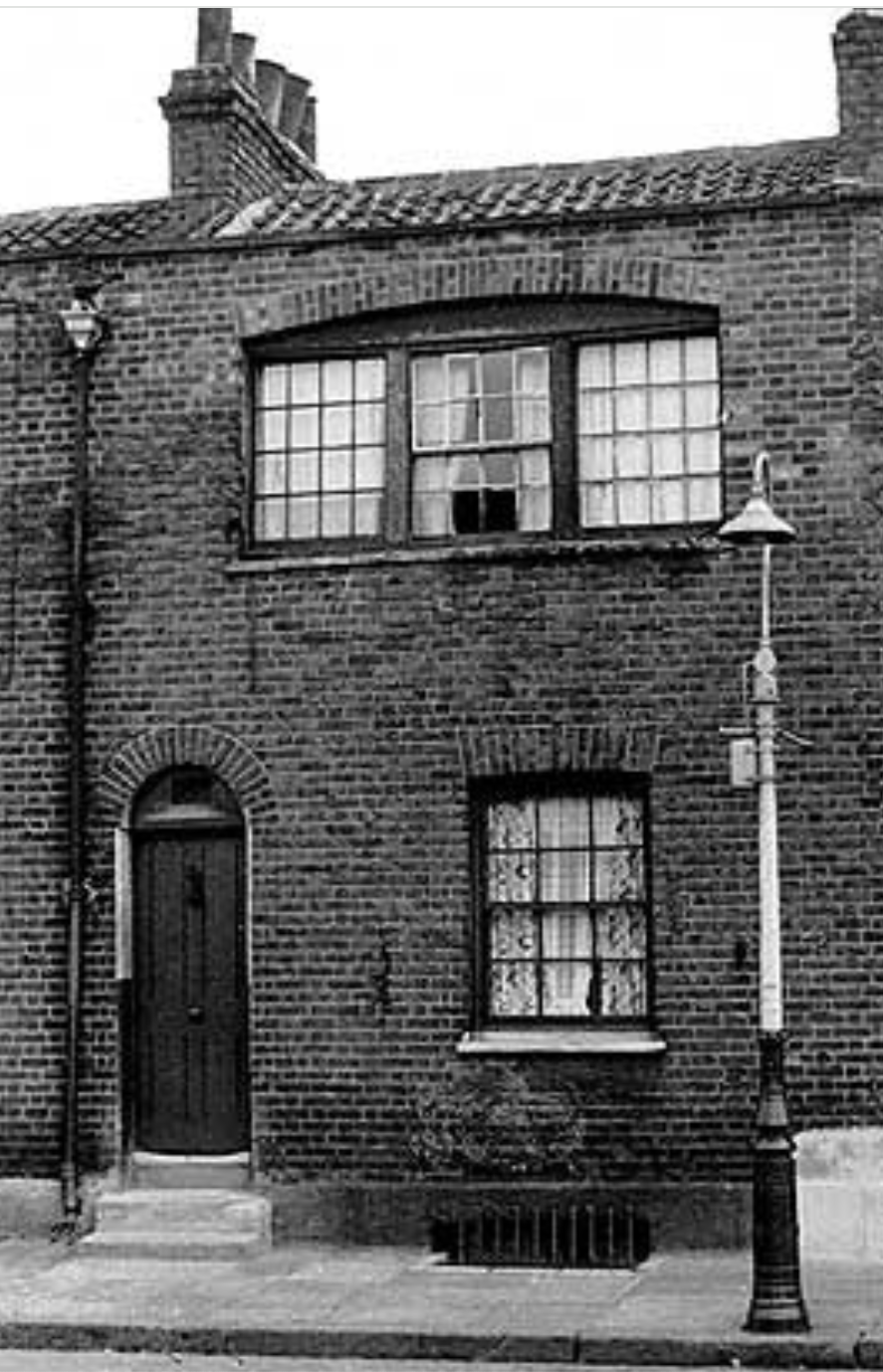
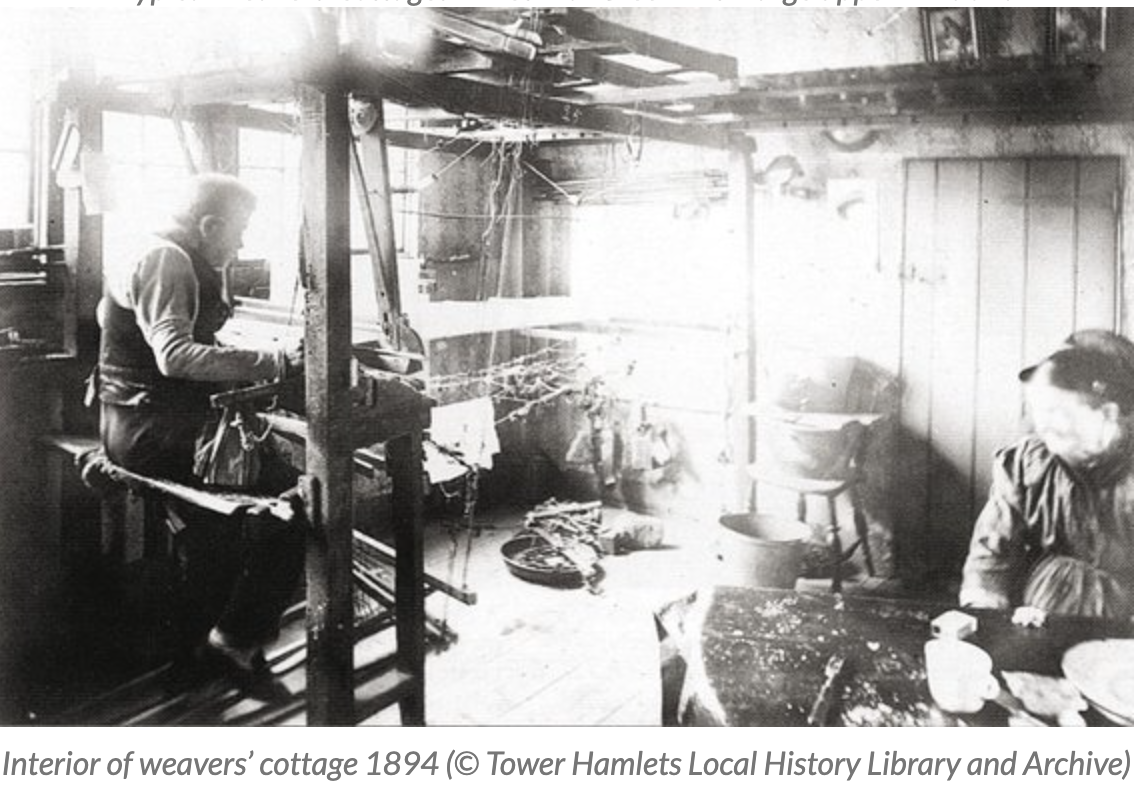


Photos extracted from: https://wilmotst.com/758-the-lost-streets-of-weavers-fields-pt2 and Tower Hamlets local archive
These distinctive buildings were terraced homes built with a large first floor workshop window, where the many highly skilled weavers (who made the area famous) worked. The house design was directly associated with the light needed for these workers to function effectively. Living quarters were on the ground and basement floors. The London County Medical Officer found that this design of home in the area was defective and beyond repair. First scheduled for destruction in 1938, the Second World War intervened and in the 1950’s demolition started. This episode in the story of Shoreditch has been glossed over and does not appear to be something that local historians are willing to acknowledge.
If you are interested in finding out more, then please look at the wonderful blog dated 21st May 2021 at https://wilmotst.com/758-the-lost-streets-of-weavers-fields-pt2
I think it is important to celebrate this part of Shoreditch’s history, as both the existence of these buildings and their destruction were very significant to the character of the place.
In my research, I put forward the argument that no place is subject to a single layer of history or a single story. A place is multi-faceted and is influenced by everything that has happened there in the past. It is my view that for placemaking to be most effective, every part of the story of a place has to be recognised and understood and there will always be some parts of a story that is uncomfortable to hear. By acknowledging difficult episodes, we can add depth and humanity to placemaking. By challenging accepted public discourse, I discovered the origin of the playing field name. I consider that deliberate omission of a story this significant is likely to engender resentment from those who wish to remember or who subsequently discover the omission and wonder what other information has been censored.
My proposal for a large textile piece is a life-size (4metres wide) Weaver’s window constructed out of textile. It will feature “panes of glass” that are printed maps of the area made by Charles Booth (at https://booth.lse.ac.uk/map) and surrounded by brick patchwork.

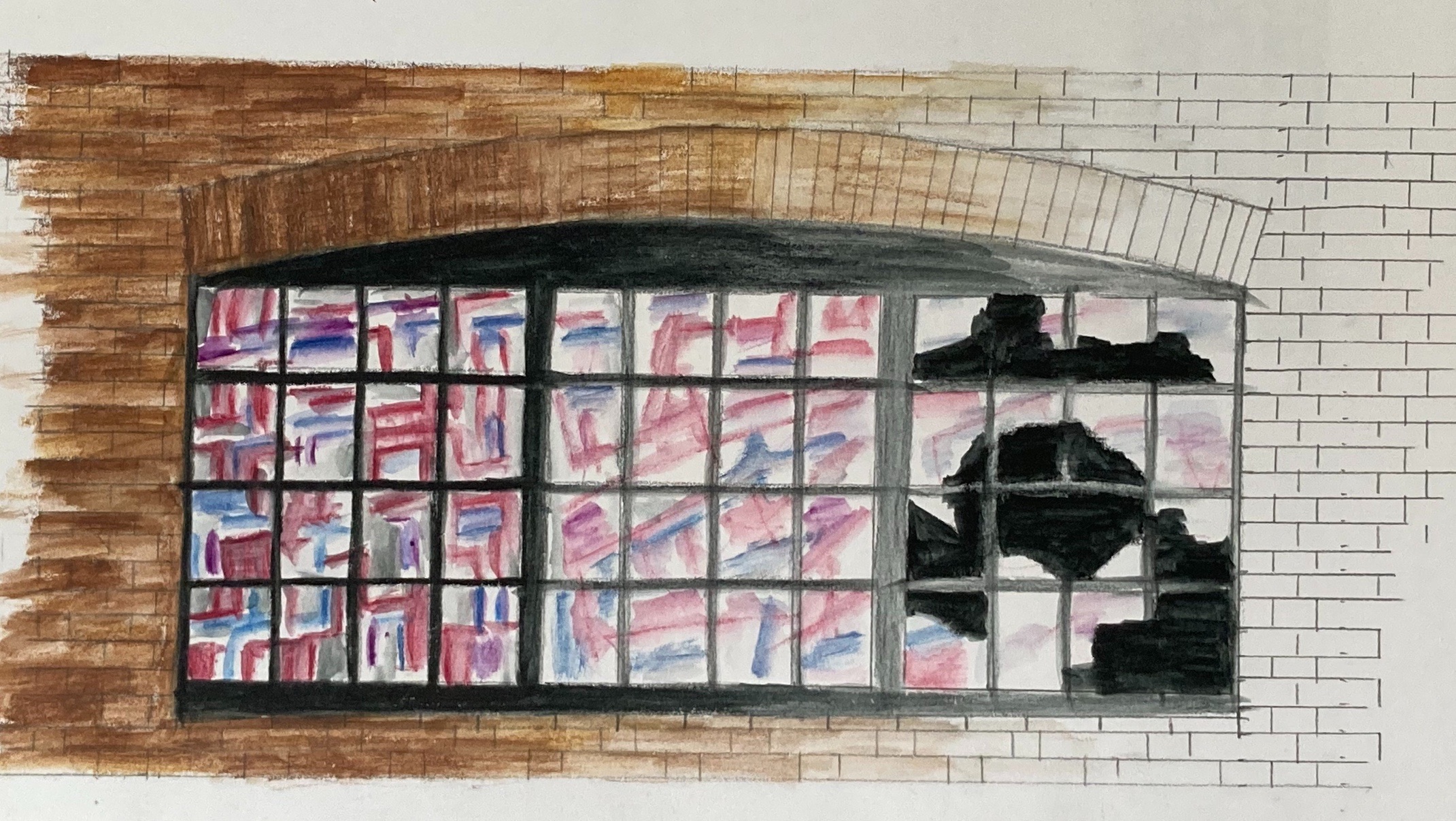
If you or your gallery/exhibition space would like to commission me to make this installation, then please contact me












































 Sarah McAlister